

Industrial Energy Management Systems in Manufacturing
Electricity has become one of the most significant operating costs in manufacturing. Despite this, many production facilities still manage energy as a single aggregated expense rather than as a measurable production variable.
Energy appears in financial reports as a monthly total. What often remains unclear is how electricity consumption relates to actual production activity.
Plant managers and finance teams frequently lack visibility into:
- the energy cost of a single production batch
- differences in electricity consumption between production lines
- idle energy consumption across machines and departments
- energy usage patterns across shifts and production schedules
An industrial energy management system (EMS) addresses this gap by connecting energy data with manufacturing operations. With accurate monitoring, energy becomes a controllable component of production cost.
Energy Price Volatility and the Growing Importance of Industrial Energy Management
Energy markets are undergoing structural changes. The expansion of renewable energy generation, evolving electricity market mechanisms, and increasing carbon-related costs contribute to greater price variability.
Manufacturing companies face several challenges as a result:
- difficulty forecasting operational energy costs
- exposure to sudden price increases
- pressure to reduce energy intensity per unit of production
In this environment, energy management in manufacturing becomes a financial management issue rather than solely an engineering responsibility.
Companies that track and analyze energy consumption at the production level gain a stronger position when managing operating margins.
What Defines an Industrial Energy Management System
An industrial energy management system combines measurement infrastructure with analytical software that monitors electricity consumption across a facility.
Unlike basic metering solutions, EMS platforms provide structured insight into how energy is used during production.
Typical EMS capabilities include:
- monitoring electricity consumption by machine, line, or department
- associating energy usage with production orders or batches
- analyzing power demand patterns across shifts
- identifying abnormal consumption levels
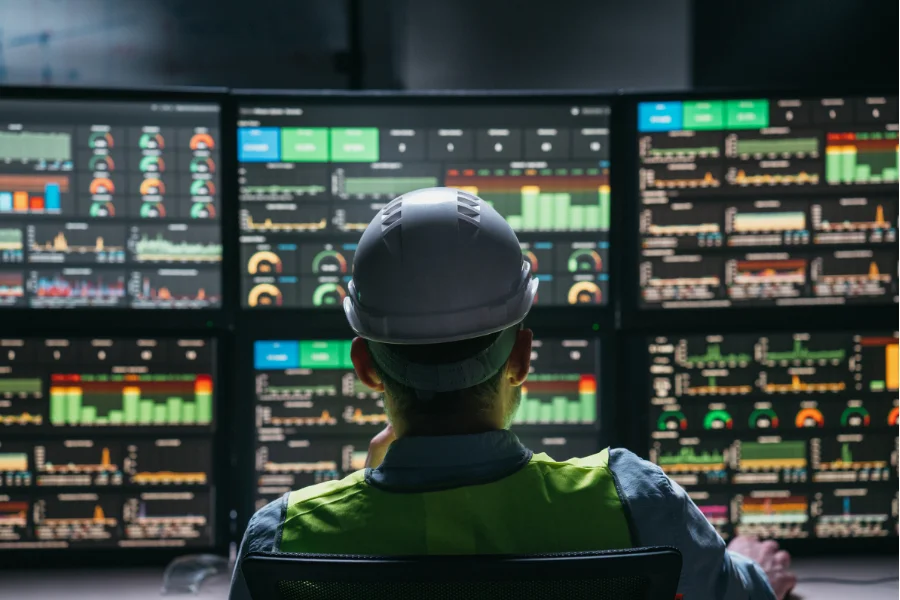
- visualizing real-time and historical energy data
This level of transparency allows manufacturers to manage energy with the same discipline applied to raw materials or labor costs.

Improve production efficiency with explitia.EMS
Energy costs influence manufacturing profitability more than many companies realize. Talk with our team about how industrial energy monitoring can improve efficiency and reduce electricity costs in your facility.
Where Manufacturers Achieve Measurable Savings with EMS
Manufacturing companies typically identify savings opportunities in three operational areas.
Operational Energy Efficiency
At the equipment level, an industrial energy monitoring system often reveals hidden inefficiencies.
Common findings include:
- machines operating while not producing
- excessive standby consumption
- unnecessary peaks in electricity demand
- poorly coordinated shift schedules
In many facilities, these issues account for a meaningful share of electricity consumption.
Corrective measures at this stage often reduce overall energy use by 5–10 percent without replacing equipment.
Energy-Aware Production Scheduling
Energy consumption patterns differ across production processes and working hours.
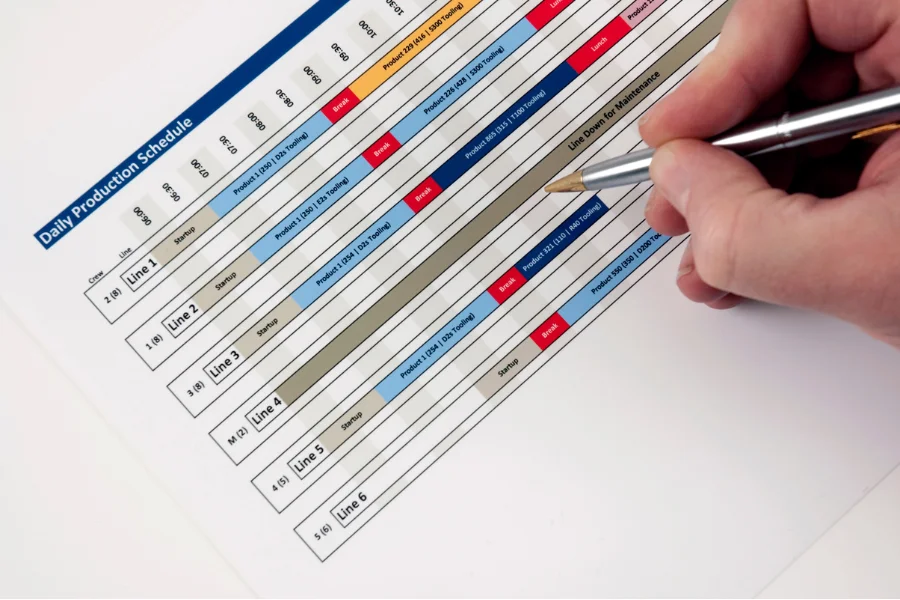
With reliable data from an energy management system for manufacturing, production planners can align energy-intensive operations with favorable tariff periods.
This allows companies to:
- limit peak demand charges
- avoid production during high-cost tariff windows
- forecast electricity consumption with greater accuracy
Energy becomes another parameter considered during production planning.
Capital Investment Decisions
Energy monitoring data also supports long-term investment planning.
Historical consumption patterns reveal:
- which production lines operate with lower energy efficiency
- where equipment modernization may reduce operating costs
- whether investments in battery storage or power quality equipment are economically justified
Without this information, capital allocation decisions often rely on incomplete assumptions.
Integrating Energy Data with Manufacturing Systems
The most advanced applications of industrial energy management systems involve integration with production platforms.
- production output
- machine utilization
- electricity consumption
This integration allows companies to evaluate energy consumption per unit of production in near real time.
Energy performance becomes an operational metric rather than a retrospective financial indicator.

Managing Renewable Energy and On-Site Generation
Manufacturing companies increasingly invest in on-site renewable energy sources such as photovoltaic installations.
Some facilities also evaluate battery energy storage systems to improve electricity cost control.
Without centralized monitoring, these assets may operate below their economic potential.
An industrial energy management system provides the necessary coordination by:
- monitoring renewable generation levels
- optimizing on-site energy consumption
- controlling battery charging and discharging cycles
- managing electricity flows between generation, storage, and grid supply
This improves the economic performance of local energy assets.
Industrial Energy Management and Digital Manufacturing
Data integration across production systems has become a central theme of digital manufacturing strategies.
Machine data, quality data, and maintenance information are already widely collected in modern factories.
Energy consumption data is increasingly becoming part of this ecosystem.
When energy metrics are integrated with operational analytics, manufacturers gain a clearer understanding of:
- energy cost per unit of output
- efficiency differences between production lines
- the impact of equipment performance on electricity consumption
Industrial energy management therefore complements broader digital manufacturing initiatives.
Implementing an Energy Management System in Manufacturing Facilities
Energy management systems are typically implemented in stages.
A common implementation structure includes:
- Identification of major energy consumption points in the facility
- Installation of energy meters and monitoring infrastructure
- Pilot monitoring on selected production lines
- Integration with production and automation systems
- Expansion to renewable energy sources and energy storage
This staged approach allows organizations to expand monitoring capabilities while maintaining normal production operations.
Financial Outcomes from EMS Implementation
Manufacturing companies that introduce structured energy monitoring frequently report measurable improvements in cost control.
Typical outcomes include:
- 8–20 percent reduction in electricity consumption
- lower reactive power costs
- improved management of peak demand charges
- more accurate calculation of production costs
These improvements contribute directly to operating margin stability.
Where Industrial Energy Management Delivers the Highest Value
The financial impact of EMS is most visible in manufacturing environments where:
- electricity represents a substantial share of operating expenses
- facilities operate in multi-shift production systems
- renewable energy sources are installed on site
- companies must report environmental performance indicators
In such environments, industrial energy management systems provide clear economic visibility across production operations.

Energy Data as a Management Instrument in Manufacturing
Energy consumption has traditionally been treated as an unavoidable operational expense.
Industrial energy monitoring changes this perspective.
When electricity usage is linked with production data, companies gain the ability to evaluate the energy cost of manufacturing decisions, equipment performance, and production scheduling.
For manufacturing organizations focused on long-term cost control, energy data becomes an essential management instrument rather than a background metric.
FAQ – Industrial Energy Management Systems
What is an industrial energy management system?
An industrial energy management system is a monitoring and analytics platform that tracks electricity consumption across manufacturing facilities and links energy usage with production activity.
Can EMS be implemented in existing factories?
Yes. Energy monitoring infrastructure can be installed without replacing existing machines. The system measures actual electricity consumption through dedicated meters.
What savings can manufacturers expect?
Many facilities report 8–20 percent reductions in electricity consumption, mainly through improved monitoring, reduced idle operation, and better demand control.
Does EMS support renewable energy installations?
Yes. Energy management systems monitor solar generation, coordinate battery storage, and manage electricity flows between on-site generation and grid supply.
See how EMS can support manufacturing performance in your plant.