



Control process stability with explitia.SPC
Statistical Process Control Software for Stable Production
explitia.SPC is a modern statistical process control system designed to monitor production stability, detect deviations early, and maintain consistent manufacturing quality.
Instead of discovering problems only after defects appear, explitia.SPC continuously analyzes production data and alerts your team when a process begins to move outside expected conditions.
It allows you to react before instability leads to scrap, rework, customer complaints, or production losses.
The system can operate as a stand-alone SPC system software or as part of a larger digital production environment such as the Production Portal. It integrates easily with machines, databases, ERP systems, MES platforms, and other industrial data sources.
For your uction plant it can mean something simple but powerful: clear visibility into production processes and faster reaction to problems.

See how SPC can help you reduce quality losses and gain better control over production parameters!
Schedule a conversation with our experts and see how explitia.SPC can support your production. Contact us today!
A Statistical Process Control System That Shows What Happens in Your Process
If you are considering implementing statistical process control, you want clear answers. You want to know whether the process is stable, when deviations begin to appear, and how to react before defects occur
explitia.SPC provides those answers through continuous monitoring and statistical analysis of production data.
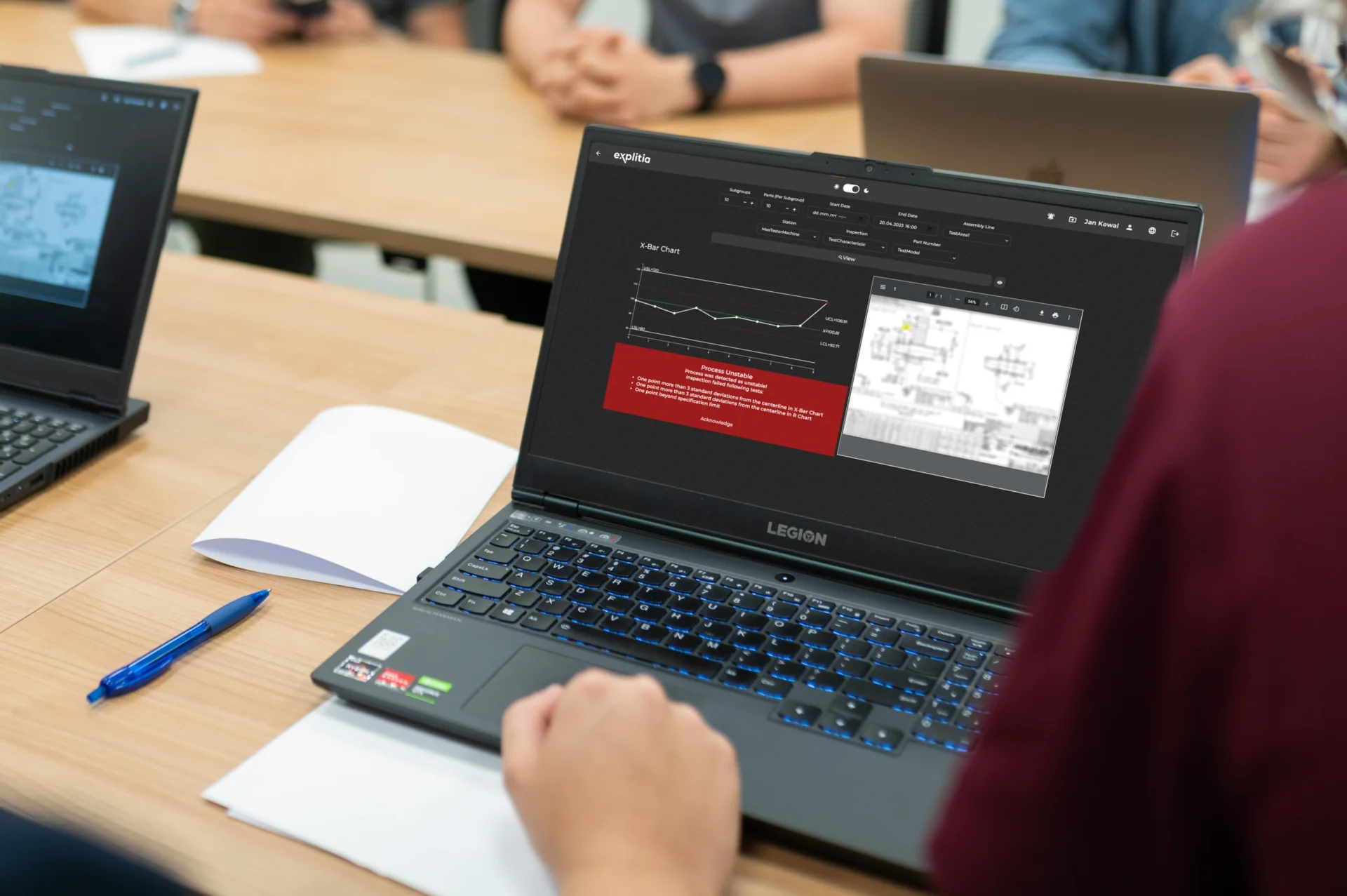
The system collects measurements from machines, production lines, or databases and evaluates them in real time. When abnormal patterns appear, your team receives immediate information.
Instead of discovering problems after they impact production results, you see them when they can still be quickly corrected.
What You Gain from Using an SPC System?
Implementing a statistical process control system provides clear operational and financial benefits for manufacturing companies.
With explitia.SPC you gain:
 Continuous supervision of production process stability
 Earlier detection of deviations from expected parameters
 Faster reaction before non-conforming products appear
 Detailed process stability reports
 Notifications when the process begins to change
 Integration with maintenance systems
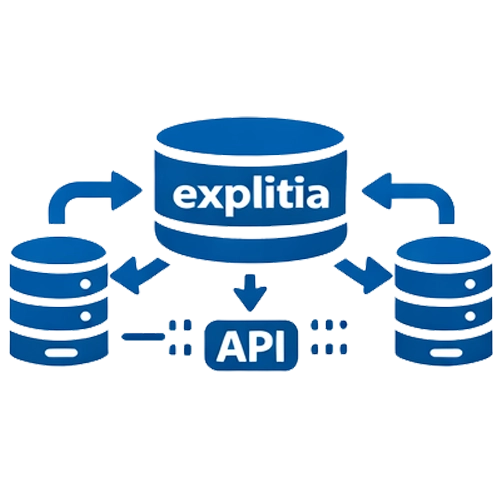 The ability to analyze data from multiple sources
 Implementation without replacing your existing infrastructure
For your production teams it results in fewer unexpected disruptions and better communication between quality, production, and maintenance departments.

What Is Statistical Process Control?
Statistical process control (SPC) is a method used in manufacturing to monitor production processes using statistical analysis. The goal is to detect deviations early, maintain process stability, and ensure consistent product quality.
A statistical process control system collects production data, analyzes variations, and signals when a process begins to move outside normal operating limits.
Modern SPC systems allow manufacturers to:
- monitor production processes continuously
- detect instability before defects appear
- analyze production data using statistical tools
- maintain consistent quality standards
- reduce scrap, rework, and production losses
By focusing on process stability rather than only final product inspection, statistical process control helps you prevent quality problems, not just react to them.
How the explitia.SPC System Works
Monitoring Process Stability
The main task of the SPC system process control module is continuously verifying whether production data stays within expected limits.
Measurements collected from the production process are analyzed using statistical methods that identify unusual variation patterns.
When the system detects instability, it immediately sends signals to responsible teams.
Early detection helps manufacturers reduce scrap, unnecessary rework, production downtime, quality complaints.
Instead of reacting after the fact, teams receive information while the situation can still be corrected quickly..
Statistical Process Control Tools in the System
explitia.SPC includes the most widely used statistical process control tools applied in modern manufacturing. These tools support both real-time monitoring and root-cause analysis.
These include:
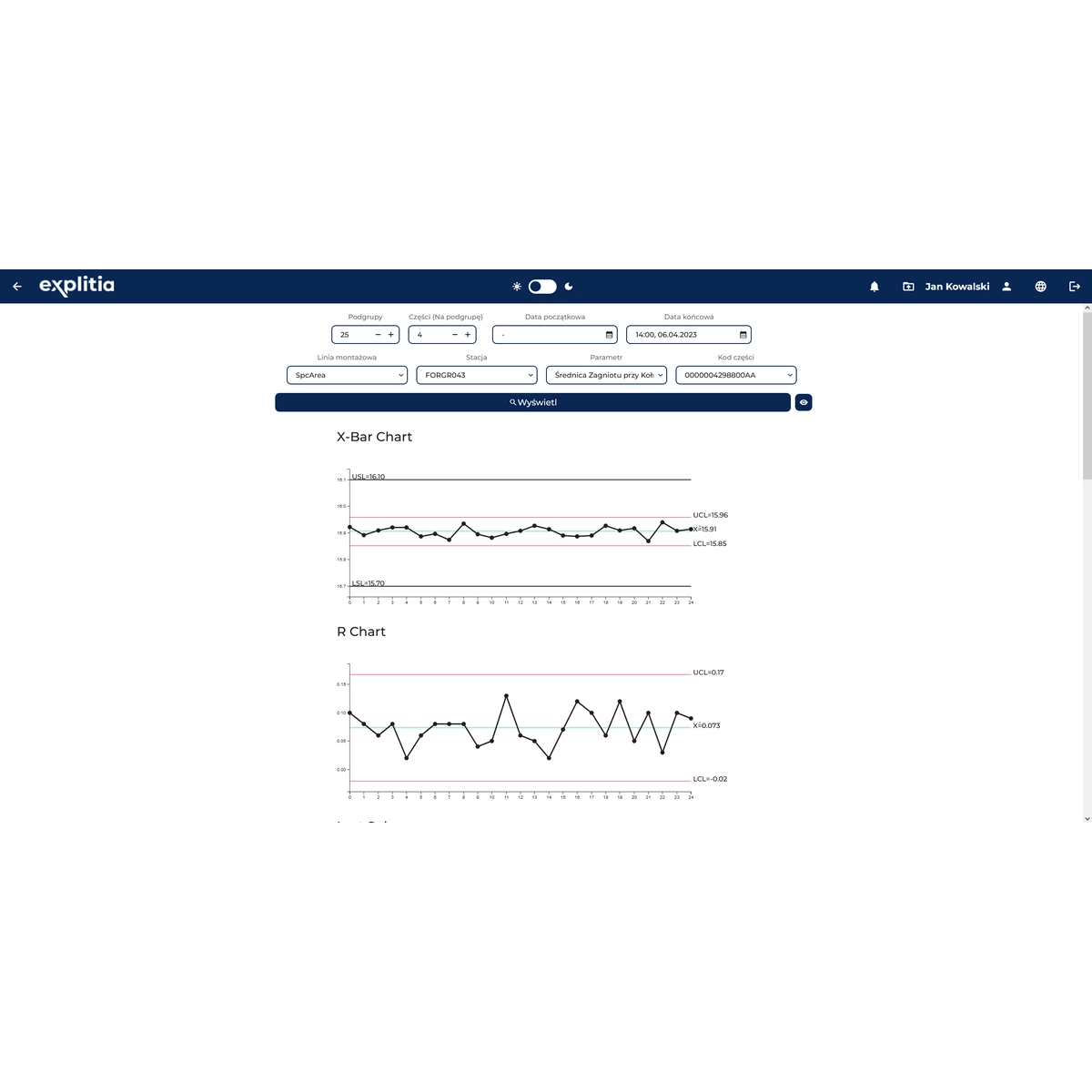
| Control charts, including X-bar and R charts | Track process variation over time and show when the process moves outside expected control limits. |
| Histograms | Visualize the distribution of measurement values, helping teams understand process consistency and variation patterns. |
| Pareto charts | Help identify which issues or causes have the greatest impact on product quality. |
| Ishikawa (Fishbone) diagrams | Help teams analyze possible root causes of production problems. |
| Correlation diagrams | Reveal relationships between variables that influence production results. |
| Check sheets | Provide a structured method for collecting information about defects or events during production. |
| Process flow diagrams | Help visualize production steps and identify areas where instability may occur. |
Together these tools help manufacturers detect deviations early and understand their origin.
SPC System Software That Works with Your Existing Data
One of the strongest advantages of explitia.SPC is its ability to work with multiple industrial data sources.
The SPC system software can collect and analyze data from ERP systems, MES platforms, machine sensors, production databases, Excel files, third-party software systems, other modules in the Production Portal.
This flexibility allows manufacturers to implement statistical process control without replacing their existing IT infrastructure.
You can start using the system with the data already available in your factory.
Real-Time Reaction to Process Deviations
Production environments require fast responses when processes become unstable.
The explitia.SPC system detects deviations in real time and can automatically notify production or quality teams, trigger alerts in the system, initiate corrective workflows, stop machines through integration.
It helps you prevent deviations from spreading across the entire production run.
Integration with Maintenance and CMMS Systems
Statistical process control becomes even more powerful when connected with maintenance systems.
explitia.SPC integrates with CMMS software, allowing process instability to automatically trigger maintenance actions.
The workflow typically looks like this: the SPC system detects abnormal variation in the proces – the maintenance system registers the event – a maintenance task is assigned to the responsible technician.
This ensures that process monitoring leads directly to operational response, not just analysis.
Process Stability Reports and Quality Analysis
The system generates detailed reports that help teams analyze production performance and quality trends.
Your team can easily see when the process was stable, when deviations occurred, which production parameters changed, where investigation should begin.
These reports also support quality audits and process improvement initiatives.
What Statistical Process Control Gives Your Factory?

Faster Problem Detection
Early signals allow teams to correct deviations before defects appear.
Lower Production Costs
Reducing scrap and rework significantly lowers operational costs. The earlier a company notices a deviation, the less it pays for the consequences.
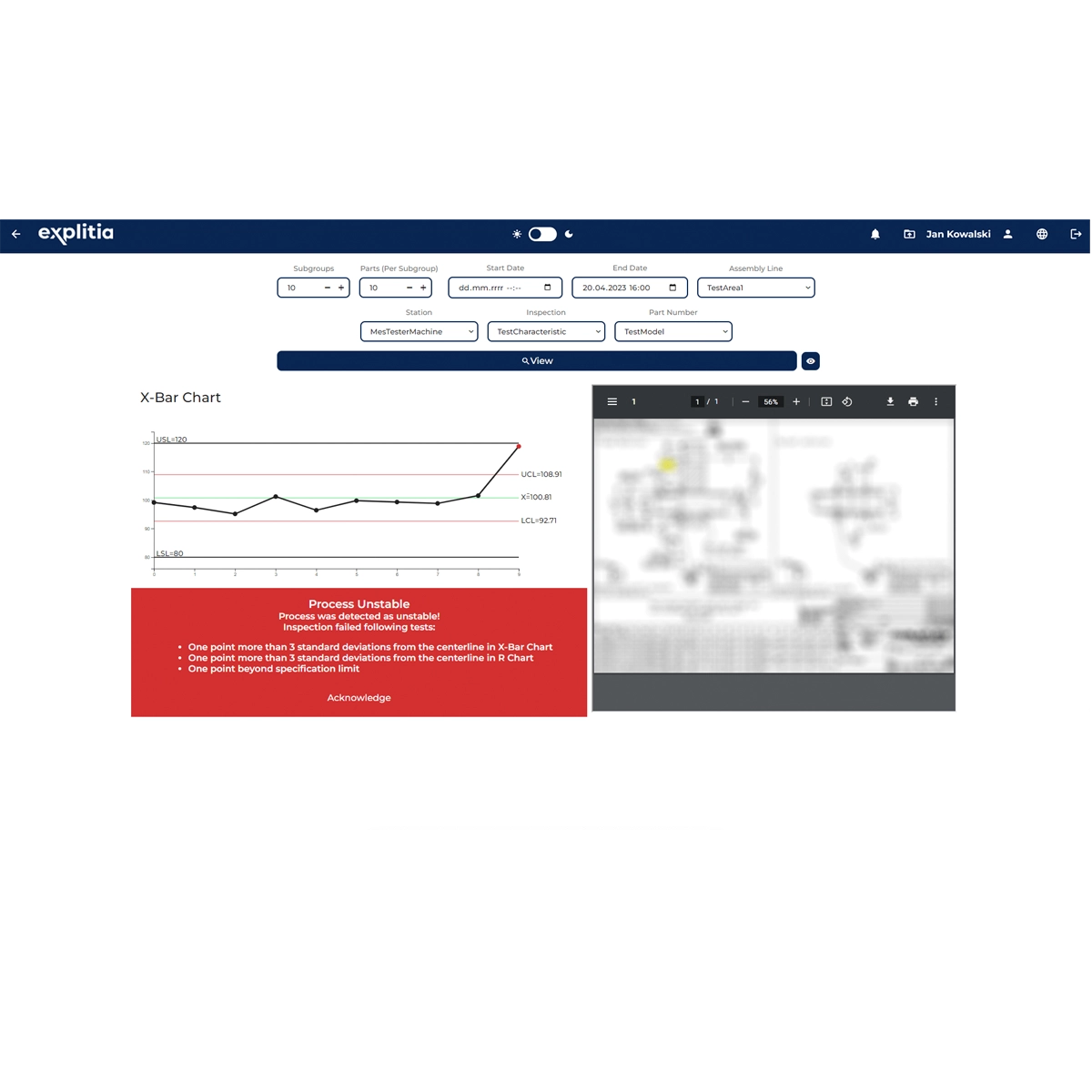
Higher Product Quality
Stable processes create consistent manufacturing conditions and reliable product quality. When the process is under control, it is easier to maintain a steady quality level.

Data-Driven Decisions
Managers gain reliable information about production stability and quality performance. They can see more, react faster, and plan next steps based on data.
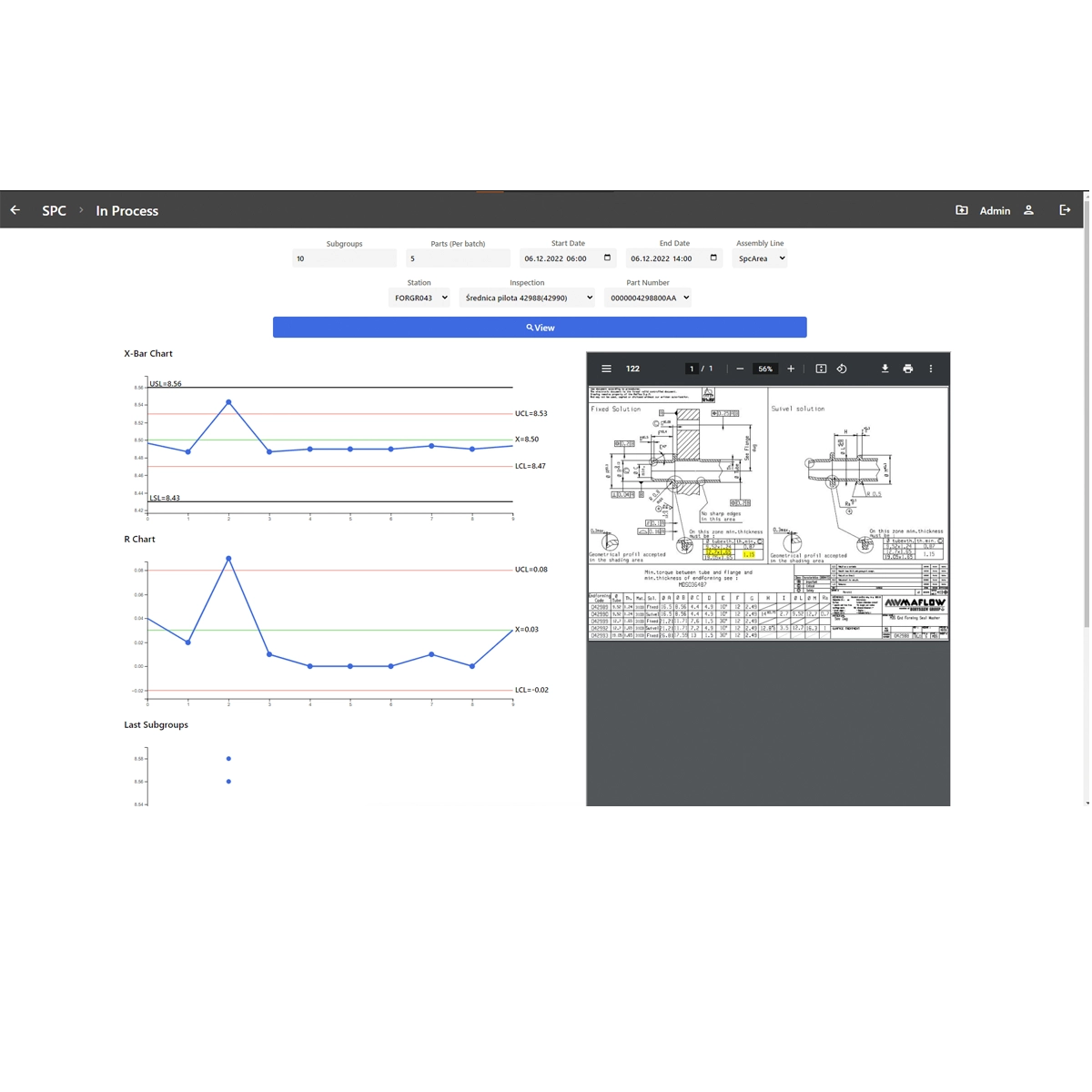
Predictable Daily Operations
When teams understand what is happening inside the process, production becomes more stable and easier to manage. Production does not need to guess, quality does not need to react after the fact, and maintenance receives faster signals that something needs attention.
Why explitia.SPC Works Well as an SPC System?
When implementing SPC systems you want to look for three things:
- visibility into process stability
- early detection of deviations
- integration with existing production systems
explitia.SPC combines traditional statistical process control methods with modern industrial data integration, ensuring that SPC analysis directly supports daily production activities.

Gain better control over production and react faster to unwanted changes!
Quality should not depend on chance. With explitia.SPC, you can analyze process parameters continuously, react faster to deviations, and reduce the risk of errors more effectively. Write to us to learn about solutions tailored to your manufacturing plant.
In What Situations Does an SPC Solution Work Best?
| Monitoring production process stability. |
| Faster detection of quality deviations. |
| Reducing the number of defects and rework. |
| Working with data from multiple sources. |
| Connecting process control with maintenance actions. |
| Organizing reporting and quality analysis. |
How Does explitia.SPC Connect with Other Modules?
The SPC system integrates with other Production Portal modules:
CMMS System
SPC detects process instability, and CMMS takes over event handling. This means information about the problem moves from detection to action.
More

At the same time, the system can also work with data from external systems such as ERP or MES, as well as databases and files. This gives you a high level of flexibility when building your production environment and allows you to implement the module at a pace that fits your manufacturing plant.
- connect process control with maintenance activities
- organize reporting and quality analysis
It works especially well where repeatability, fast reaction, and strong cooperation between production, quality, and maintenance matter most.
What the explitia.SPC implementation looks like?
Analysis of the process, measurement points, and data sources that will feed the SPC system
Definition of control parameters, limits, reaction rules, and monitoring scope
Integration with machines, databases, ERP, MES, Excel, or other external systems
Configuration of control charts, reports, notifications, and user views
Go-live based on real production data
User training focused on system operation, deviation interpretation, and day-to-day SPC work
Further development of the solution as new processes, lines, and plant needs are added
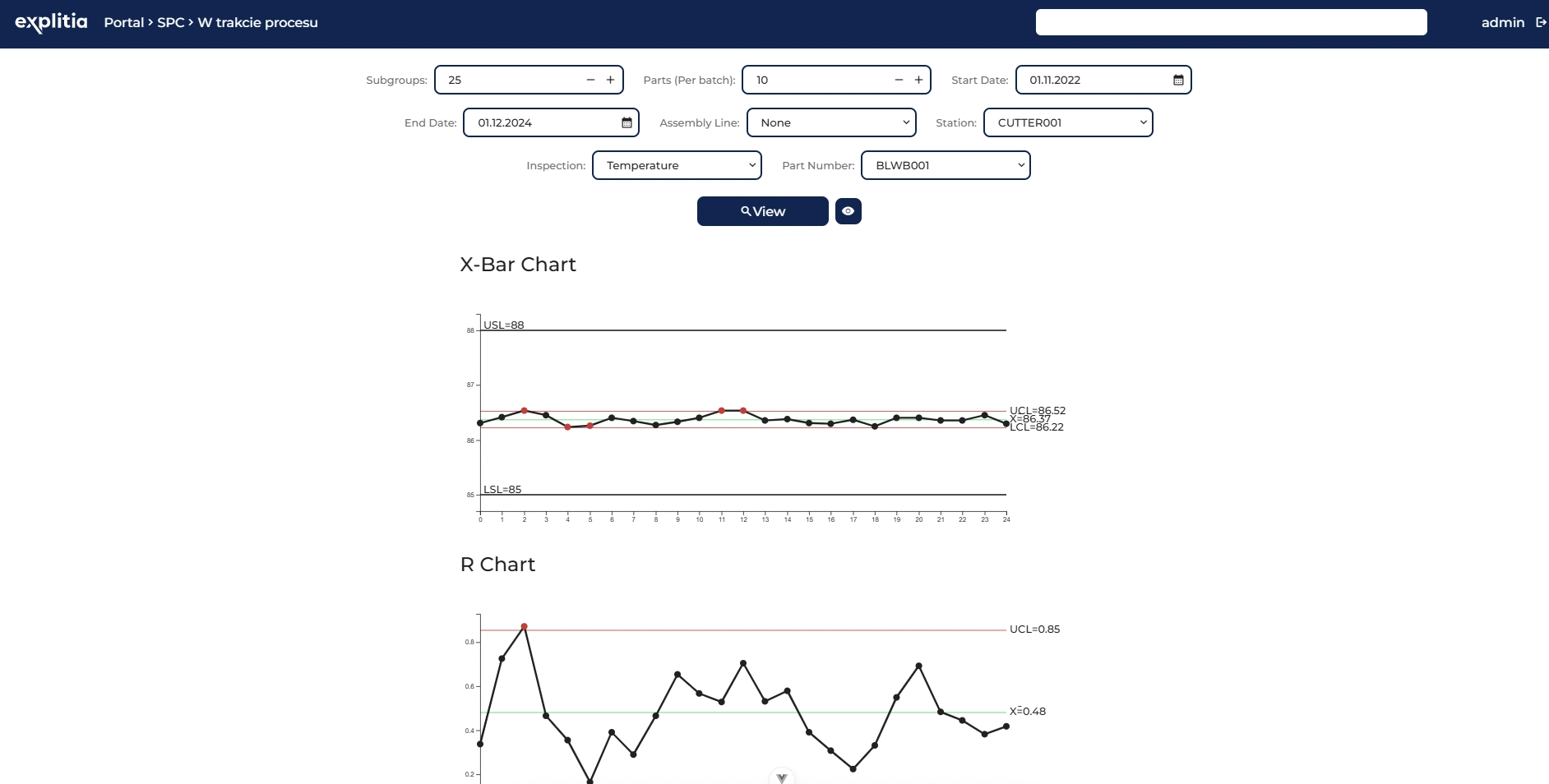
See How Statistical Process Control Can Work in Your Factory
explitia.SPC helps manufacturers monitor production stability, detect deviations early, and react before problems affect product quality or production costs.
The SPC system software can run independently or as part of a larger digital production environment.
You can implement statistical process control without rebuilding your entire infrastructure.