

Muda in Manufacturing and Business: How to Spot Waste and Remove It
Does your team stay busy all day, yet results still feel off?
That usually points to waste in the process. Time gets used. Money gets spent. People stay occupied. But the customer gets little or no extra value.
That is what muda means in lean: activity that consumes resources without improving the product, service, or customer experience.
Sometimes it is easy to see. A machine sits idle. Materials wait in a buffer. A report gets reviewed three times.
Sometimes it hides in plain sight. A few extra clicks. A short walk to get a tool. Rework that “only takes a minute.” An approval loop that keeps work stuck.
One small loss may not look serious. Put enough of them together, and they start draining margin, slowing delivery, and wearing people down.
What is muda?
Muda is a Japanese word that means waste or non-value-added activity.
In lean manufacturing, it refers to any step that uses time, space, labor, materials, or money without creating value the customer would pay for.
If a customer does not need it, does not notice it, and would not want to fund it, there is a good chance you are looking at waste.
This idea sits at the center of the Toyota Production System (TPS), which shaped modern lean manufacturing and lean management. Taiichi Ohno helped define the classic categories of waste and showed companies how to view work through the eyes of the customer.
Why this matters more than most teams think
Waste rarely starts as one big problem.
It grows from things like:
- weak process design
- uneven workloads
- poor handoffs
- unclear standards
- extra approvals
- workarounds that became “normal”
Over time, teams stop noticing it. People adapt. They walk farther, wait longer, fix more errors, and accept delays as part of the job.
That is where cost starts building quietly.
Muda, mura, and overburden
To understand waste clearly, it helps to look at two related lean ideas.
Mura means unevenness or instability in the process. One day the team is overloaded. The next day work dries up. That variation creates delays, errors, and stress.
The other issue is overburden, often called muri. When people or machines are pushed too hard, quality slips and breakdowns rise.
These three problems feed each other:
- instability creates waste
- overburden creates defects and downtime
- waste makes the whole system heavier than it needs to be
The 7 wastes in lean manufacturing
The best-known framework is the 7 wastes of lean. If you want to find waste in production, logistics, office work, or service delivery, start here.
1. Overproduction
Overproduction means making something earlier, faster, or in greater volume than the customer or next process needs.
This is one of the most expensive forms of muda because it triggers other losses:
- more inventory
- more transport
- more storage
- more hidden quality issues
When output gets ahead of demand, problems stop being visible. They just sit on a shelf.
2. Waiting
Waiting happens when people, machines, materials, information, or decisions stop moving.
Examples include:
- an operator waiting for parts
- production waiting for a setup
- a team waiting for approval
- a customer waiting for delivery
Waiting stretches lead time without adding value.
3. Transport
Transport waste is any unnecessary movement of materials, parts, documents, or information.
Moving something from one place to another does not improve the product by itself. It only adds cost, time, and the chance of damage or error.
4. Overprocessing
Overprocessing means doing more work than the customer needs.
That may look like:
- extra inspections
- duplicate data entry
- reports no one uses
- approvals that add no real control
- tighter tolerances than the customer requires
More effort does not always mean more value.
5. Excess inventory
Extra stock often feels safe. It is not.
Excess inventory:
- ties up cash
- takes up space
- hides process problems
- slows response time
- makes planning harder
Inventory can protect a broken process for a while. It does not fix it.
6. Motion
Motion waste relates to people and the way work is done at the workstation.
It includes things like:
- walking for tools
- reaching too far
- bending or twisting
- searching for materials
- turning back and forth during a task
Poor workstation layout makes this problem worse fast. It also adds fatigue, which often leads to errors.
7. Defects and rework
Defects are expensive twice.
First, you pay to make the product. Then you pay again to inspect, repair, sort, scrap, replace, or explain the issue to the customer.
Quality problems are one of the clearest forms of muda because they consume resources and damage trust at the same time.
The 8th muda: unused employee potential
Many teams also include an eighth category: unused employee talent.
This happens when people closest to the process can see problems and suggest better ways of working, but no one listens.
That is a costly miss.
The person doing the work often spots waste first:
- a step that takes too long
- a tool placed in the wrong spot
- a recurring workaround
- a quality issue everyone has learned to live with
If your team sees the problem every day but has no voice in fixing it, improvement slows down before it starts.
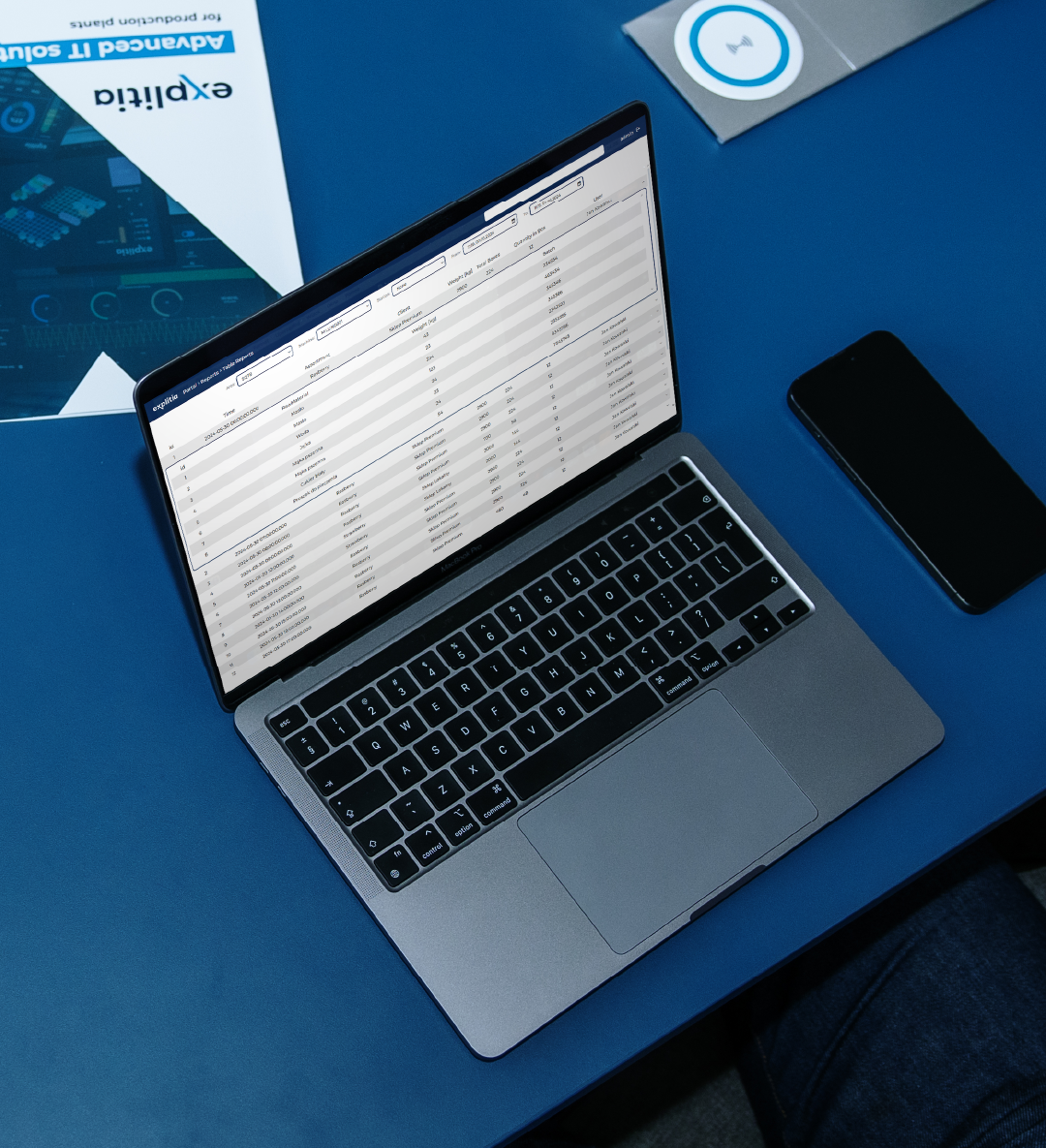
Learn more about muda and lean approach.
Muda is part of the lean philosophy, which can work well in different aspects of production and management. See how you could implement it in your plant. Leave us a message and let’s talk.
Type 1 and Type 2 muda
In lean, waste is often split into two groups.
Type 1
These are activities that do not add value but are still hard to remove right now.
Examples might include:
- required compliance checks
- current system limitations
- temporary process constraints
Type 2
These are pure losses that can be removed right away.
Examples include:
- duplicate approvals
- unnecessary movement
- repeated data entry
- waiting caused by poor scheduling
If you need to set priorities, start with Type 2. It usually gives the fastest return with the least resistance.
How TPS, jidoka, and andon help reduce waste
The Toyota Production System is built on two well-known ideas:
Just-in-time
Make and deliver the right item, in the right quantity, at the right time.
This helps reduce:
- overproduction
- excess inventory
- delayed flow
Jidoka
When something goes wrong, the process should not pretend everything is fine.
Jidoka means the problem gets noticed and addressed when it appears, not later when the cost is higher.
Andon
Andon is the signal that tells the team a problem has happened.
It can show:
- a material shortage
- downtime
- a machine fault
- a quality issue
- a blocked workstation
That quick signal matters. It stops waste from spreading into the next step.
A simple example from the shop floor
You do not need a dramatic case to see waste clearly.
An operator finishes a part and places it on a cart. Someone moves it to a buffer area. The part waits there for pickup. Later, another person takes it to the next station.
In one short sequence, you may already have:
- transport
- waiting
- excess inventory
- motion
If extra inspections or corrections show up too, you may also be dealing with overprocessing and defects.
That is how muda usually works. It stacks up quietly inside ordinary work.
How to remove muda from your process
Definitions help. Results come from action.
These lean methods make it easier to spot problems, fix them, and keep work flowing.
5S
5S helps organize the workplace so tools, materials, and information are where they should be.
It is a practical way to reduce:
- motion
- searching time
- confusion at the workstation
Kanban
Kanban supports flow and helps control how much work is released.
It is especially useful for reducing:
- overproduction
- excess work in progress
- stock levels that keep climbing
Value Stream Mapping (VSM)
VSM maps the full flow of value from start to finish.
It helps you see:
- delays
- handoffs
- queues
- rework loops
- steps that do not add value
If you want a clearer picture of where time is actually going, this is one of the best places to start.
Poka-Yoke
Poka-yoke means mistake-proofing.
The goal is simple: prevent errors before they happen, instead of catching them after the damage is done.
TPM
Total Productive Maintenance (TPM) supports machine reliability and reduces downtime.
That makes it useful for cutting waiting caused by breakdowns, minor stops, and unstable equipment.
Gemba
Gemba means the place where the work happens.
If you want to find waste, do not stay in a meeting room staring at reports. Go see the process. Watch what moves, what waits, what gets repeated, and where people struggle.
That is where the truth usually is.

Waste is not only a production problem
Waste shows up anywhere there is a process.
In the office
You may see:
- long approval paths
- repeated data entry
- email chains that delay decisions
- reports no one acts on
In logistics
You may find:
- extra handling
- unnecessary transport
- poor routing
- avoidable storage
In purchasing
Common issues include:
- overordering
- buying too early
- weak communication with operations
In service businesses
You may notice:
- waiting for sign-off
- repeated corrections
- unclear requests
- slow handoffs between teams
Lean management works beyond the factory floor because waste is not tied to one department. It follows bad flow.
Lean software development and digital work
The same thinking applies in tech and product teams.
In lean software development, waste often looks like:
- waiting for decisions
- too many tasks in progress
- rework from unclear requirements
- handoffs that slow delivery
- priorities that keep changing
Different setting, same problem.
When work gets stuck, restarted, re-explained, or fixed late, the process is carrying more weight than it should.
How to identify waste in your own business
Start with a few direct questions:
- Does the customer truly need this step?
- Does this activity change the product or service in a way the customer values?
- Can this step be shortened, combined, or removed?
- Are people repeating the same unnecessary movements every day?
- Are there places where work keeps waiting?
Then go to the process itself.
Watch for:
- lead time
- distance traveled
- number of handoffs
- queue time
- rework
- extra approvals
- repeated searching
You do not need a huge transformation project to start. You need a clear view of what is actually happening.
What you gain when you remove waste
When you reduce muda, results often show up sooner than expected.
You may see:
- shorter lead times
- fewer corrections
- fewer stoppages
- better use of labor
- stronger delivery performance
- less stress across the team
The bigger win is often less visible but more important: work starts feeling calmer, clearer, and more predictable.
People stop fighting the same avoidable problems every day.
Why this matters now
If your business feels busy, pressured, and harder to run than it should, waste may be the reason.
You do not need to ask people to work harder first.
Start by finding the steps that add no value. Name them. Remove them. Simplify the flow.
That is the core of lean thinking.
When you can spot waste clearly, you can improve the process with more confidence, lower friction, and better results for your customer.
FAQ
What is muda?
Muda is waste: any activity that consumes resources without creating value for the customer.
What are the 7 wastes in lean?
They are overproduction, waiting, transport, overprocessing, excess inventory, motion, and defects or rework.
What is the difference between Type 1 and Type 2 muda?
Type 1 is non-value-added work that is hard to remove right now. Type 2 is pure waste that can be removed right away.
How do andon and jidoka reduce waste?
Andon makes problems visible as they happen. Jidoka helps stop the process when something is wrong, so the issue does not spread.
Is waste only a manufacturing issue?
No. It appears in production, logistics, office work, purchasing, services, and software teams anywhere a process exists.
Let's talk about muda and how to reduce waste in your production.
Deepen your knowledge on production processes with explitia blog.