


How Does an SPC System Improve Production Quality?
In today’s dynamic industrial environment, effective production quality management is one of the key factors behind manufacturing performance and competitiveness. In this context, an SPC system, or Statistical Process Control system, helps manufacturers monitor process parameters, reduce variability and maintain consistent quality standards.
How does an SPC system work? What benefits does it bring to manufacturing companies? And why is advanced statistical analysis essential for managing production processes effectively? Read the article to find out.
What Is an SPC System in Manufacturing?
SPC, or Statistical Process Control, is a quality management method used in manufacturing processes to monitor and control key process parameters with statistical tools. The main goal of an SPC system is to keep the process stable, reduce variation and ensure that manufactured products meet defined quality requirements.In practice, SPC in manufacturing enables teams to detect process deviations early — before they result in defects, waste, rework or customer complaints.
- Maintaining the process within specification limits,
- Minimizing variation,
- Ensuring the production of products meeting the highest quality standards.
The solution is based on the analysis of measurement data collected during the production process, enabling a proactive approach to quality.
SPC Tools for Production Quality Control
Control Charts
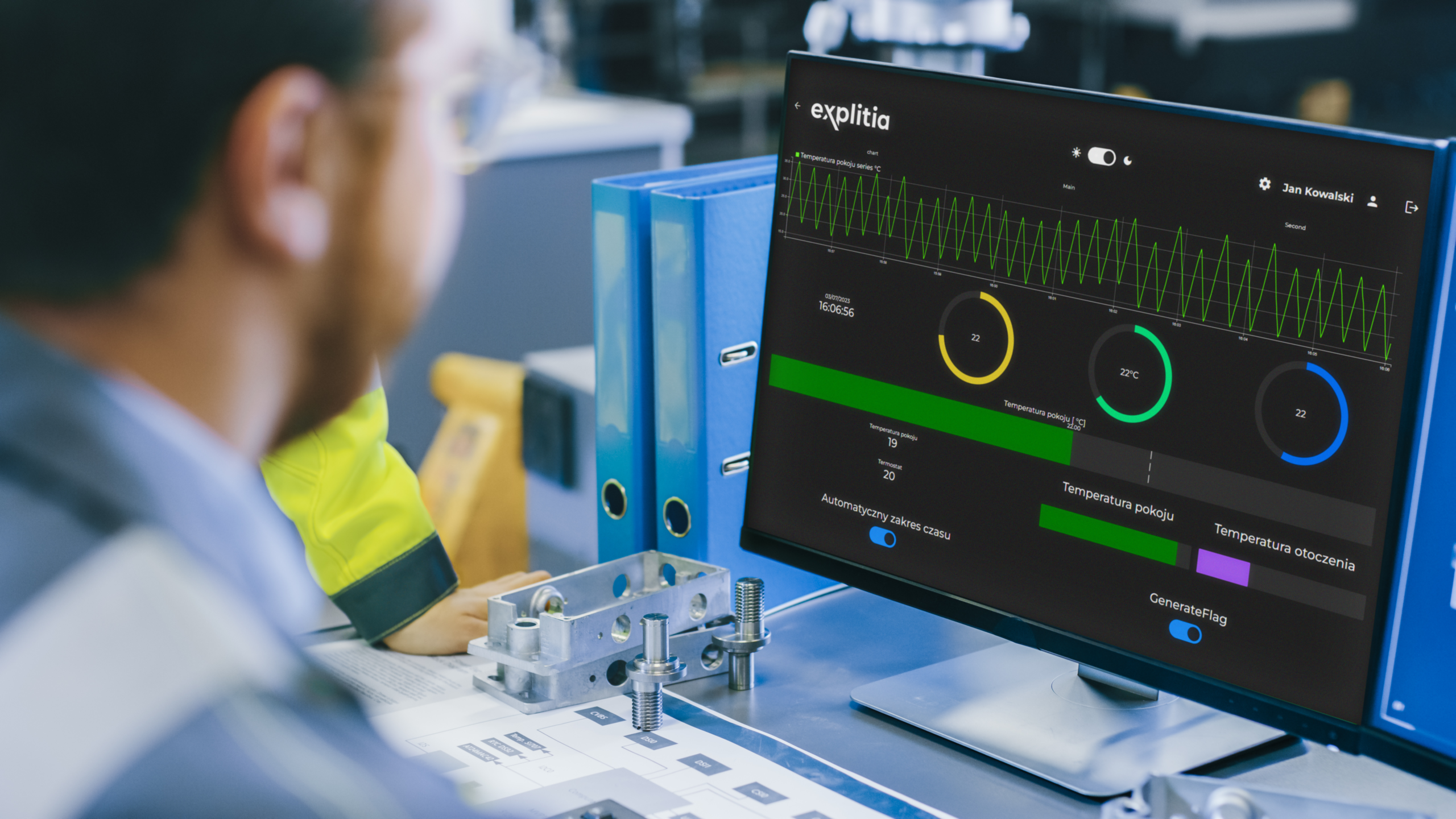
Control charts are one of the core tools of Statistical Process Control. They help visualize process variability over time and detect deviations from expected performance. This enables production and quality teams to react quickly to potential issues and reduce the risk of defects.
Process Capability Analysis
Process capability analysis helps determine whether a manufacturing process is capable of producing parts or products within defined specification limits. In SPC, indicators such as Cpk and Ppk are used to assess process stability and identify areas that require optimization.
Cause and Effect Analysis
Cause-and-effect analysis helps identify the root causes of process irregularities, quality deviations and production defects. It supports corrective actions based on data rather than assumptions.
Pareto Analysis
Pareto analysis helps identify the most significant sources of quality problems by classifying them according to their frequency or impact. This allows manufacturers to focus improvement activities on the issues that generate the greatest losses.
Regression Analysis
Regression analysis helps manufacturers understand relationships between process variables and predict how changes in process parameters may affect product quality.

Benefits of Implementing an SPC System in Manufacturing
1. Increased Digitalization and Lower Production Costs
mplementing an SPC system is an important step toward Industry 4.0 and digital manufacturing. By improving process stability, reducing defects and supporting production optimization, SPC helps manufacturers lower production costs and increase operational efficiency.
2. A Proactive Approach to Quality Control
SPC enables a proactive approach to quality control by identifying potential issues before they lead to defects or process disruptions. Instead of reacting only after a problem occurs, quality teams can monitor trends and respond earlier.
3. Improved Product Quality and Reduced Waste
Continuous process monitoring allows an SPC system to detect deviations from the norm and support immediate corrective actions. As a result, manufacturers can improve product quality, reduce defects, limit rework and minimize production waste.
4. Process Optimization Based on Production Data
SPC provides analytical data that helps teams better understand production processes. Based on this data, manufacturers can optimize process parameters, improve efficiency and respond quickly to changes in production conditions.
5. Greater Customer Trust and Competitiveness
Stable and repeatable production quality helps manufacturers meet customer requirements and reduce the risk of complaints. This supports stronger customer relationships, higher loyalty and improved competitiveness.
6. Process Standardization and Reliable Quality Reporting
Implementing SPC supports the standardization of manufacturing processes and ensures greater consistency of results. The system also enables detailed quality reports and data analyses, supporting management decisions based on reliable production data.

See how an SPC system can improve your production and quality control.
Do you want to take your manufacturing plant to the next level of Industry 4.0? Are you interested in modern industrial solutions in automation and digitalization? Let us know! In practice, SPC in manufacturing allows you to detect deviations from the norm faster — before they lead to an increased number of defects, complaints or downtimes.
Why Is Statistical Analysis Important in SPC?
Statistical analysis within SPC offers more than simple parameter monitoring. Here are a few reasons why it is crucial:
Detecting subtle changes: Advanced statistical analysis helps detect small changes in process data that may indicate the early stages of a quality problem. This allows teams to intervene before the issue escalates.
Understanding causes: Identifying the deeper causes of quality deviations enables manufacturers not only to react to problems, but also to eliminate their sources.
Predictive analysis: Statistical analysis can help predict future quality trends, supporting better resource planning, maintenance decisions and corrective actions.
Parameter optimization: By identifying the most effective process parameter settings, manufacturers can improve product quality, process stability and production efficiency.
Cause-and-effect analysis: Advanced analysis reveals relationships between process variables, making corrective actions more targeted and effective.
Optimal quality control approach: Techniques such as process capability analysis help assess whether a process is capable of consistently producing compliant products.
Process improvement: Statistical analysis helps identify areas for optimization and supports long-term continuous improvement.
How an SPC System Supports Production Quality
An SPC system supports manufacturers in maintaining high quality standards, reducing process variability and making decisions based on reliable production data. By combining statistical process control, process capability analysis, real-time monitoring and quality reporting, SPC becomes an important part of digital manufacturing and Industry 4.0 transformation.

FAQ: SPC System in Manufacturing
What is an SPC system?
An SPC system, or Statistical Process Control system, is a solution used to monitor and analyze manufacturing processes based on statistical data. It helps control process stability, detect deviations from expected performance and support data-driven quality decisions.
How does an SPC system improve production quality?
An SPC system improves production quality by continuously monitoring process parameters and identifying variation before it leads to defects. This allows production and quality teams to react earlier, reduce nonconformities and maintain more consistent product quality.
When should a manufacturing company implement an SPC system?
A manufacturing company should consider implementing an SPC system when it wants to reduce defects, improve process stability, standardize quality control or make better use of production data. SPC is especially useful in serial production, where repeatability and compliance with quality requirements are critical.
What data does an SPC system analyze?
An SPC system can analyze measurement and process data such as dimensions, weight, temperature, pressure, cycle time, tolerances and inspection results. This data helps assess process stability, identify trends and detect potential quality issues.
What are SPC control charts?
SPC control charts are statistical tools used to visualize process variability over time. They help determine whether a process is stable or whether deviations from control limits indicate a potential quality problem.
What do Cpk and Ppk mean in SPC?
Cpk and Ppk are process capability indicators used to assess whether a manufacturing process can consistently produce products within defined specification limits. They help determine how stable and capable the process is in relation to quality requirements.
Can an SPC system reduce production costs?
Yes. An SPC system can help reduce production costs by limiting defects, waste, rework and customer complaints. Early detection of process deviations allows manufacturers to solve problems before they generate larger losses.
Is SPC part of Industry 4.0?
Yes. SPC can be an important element of Industry 4.0 and digital manufacturing. When combined with MES systems, automated data collection and quality reporting, SPC supports real-time monitoring and data-driven process optimization.
Which industries can benefit from SPC?
SPC is useful for manufacturers that need stable, repeatable and quality-compliant production processes. It is commonly applied in industries such as automotive, FMCG, electronics, pharmaceuticals, packaging, food production and other forms of serial manufacturing.
Does implementing SPC require changing the entire production process?
Not necessarily. An SPC system can be implemented gradually, starting with selected machines, production lines, parameters or quality control points. This allows manufacturers to adjust the scope of implementation to their current needs and level of digital maturity.
Let's talk about implementing SPC in your production.