

Why Quality Control in Modern Manufacturing Is So Important
Quality control has long been one of the most important pillars of production management. Although it is sometimes perceived as a mechanical procedure, in reality it is a complex system that influences every area of a company’s operations – from planning, through operational processes, to the final contact with the customer. The market has changed dramatically. People no longer look for what is cheaper, but for what is better. That is why quality has become a critical factor. Manufacturing companies that can effectively control and improve it achieve stability, predictability, and competitive advantage, leaving other brands far behind. Read our article and join organizations for which quality control is as natural as daily bread.
What Quality Control Is in a Manufacturing Plant
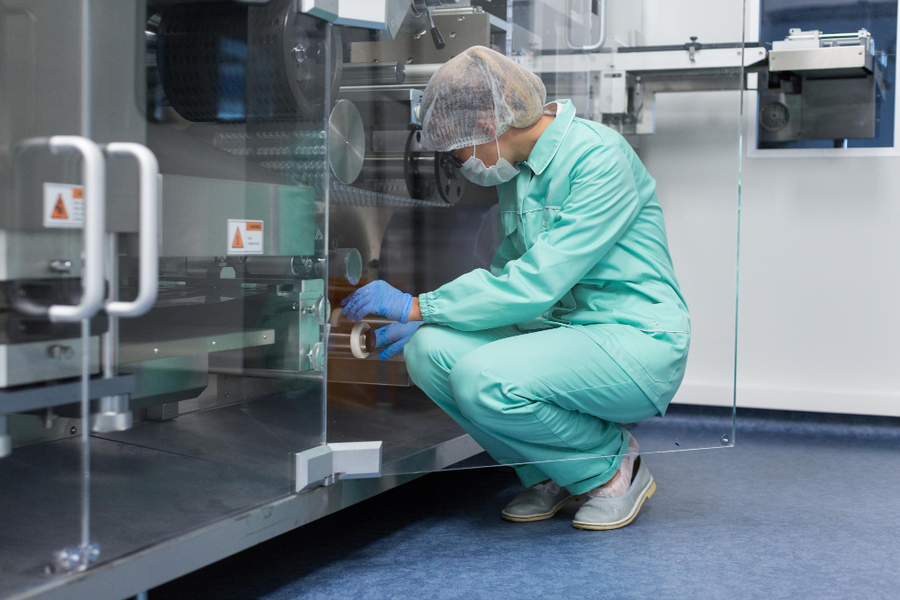
Effective quality control is much more than verifying whether a product is correct. It is a way of looking at production processes as a whole – with the perspective of optimizing them and continuously improving. Only such an approach allows problems to be eliminated before they start generating losses, and enables the creation of value for the customer. It is no coincidence that globally recognized manufacturers – especially in the automotive, food, and electronics industries – invest in quality control systems much earlier than in the development of their machinery.
In classical terms, quality means compliance with technical, legal, and market requirements. However, practice shows that it is much broader. High production quality consists of:
• process stability,
• product safety,
• parameter repeatability,
• delivery predictability,
• customer trust.
Therefore, an effective quality control system works on two levels: it prevents errors and at the same time enables development. A company that continuously analyzes quality data is able to react faster to changes, introduce improvements to production processes, and develop new products based on solid evidence and data – not intuition. Quality then stops being a cost and becomes an investment that pays off many times over. How? Through waste reduction, fewer complaints, shorter downtimes, and higher customer satisfaction.
Fundamentals of a Quality Control System
Every effective quality control process, regardless of industry, is based on three key stages: incoming quality control, in-process quality control, and final quality control. These stages give the process a logical structure and ensure that the product meets requirements.
1. Incoming Quality Control
The first stage involves verifying raw materials and components before they are approved for production (e.g., grain quality control in the grain sector or milk control in the dairy industry before unloading). Lack of control at this stage can lead to a domino effect – one defective material can disrupt several processes and generate losses in subsequent production stages. Therefore, companies use:
• laboratory tests,
• technical measurements,
• visual inspection,
• supplier documentation analysis.
In high-responsibility industries such as pharmaceuticals or automotive manufacturing, incoming inspection is often more rigorous than final quality control.
2. In-Process Quality Control
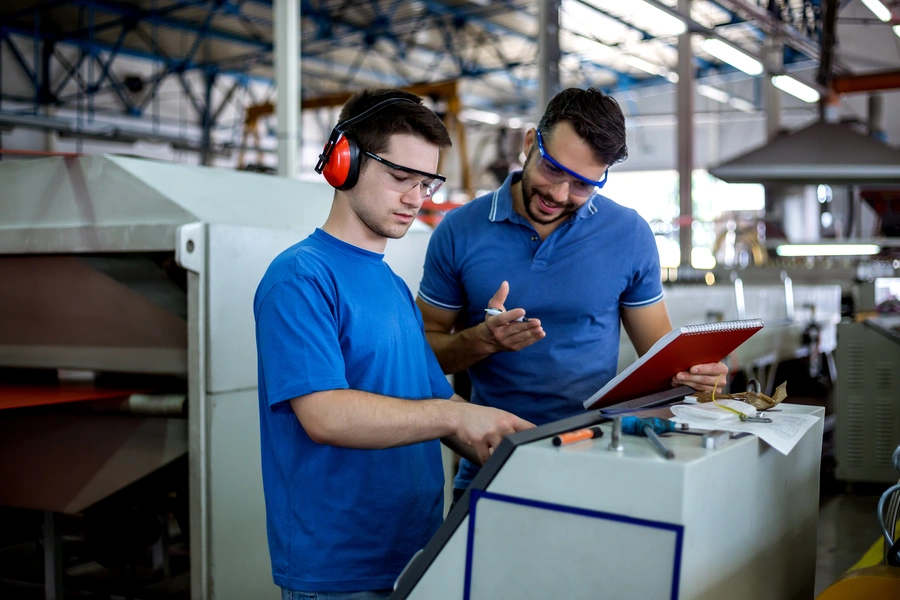
This stage has the greatest impact on costs and efficiency. In-process control involves monitoring production at every stage, with a particular focus on quality. It detects errors before a defect turns into scrap.
This allows companies to:
• minimize the risk of errors,
• prevent downtime,
• shorten reaction time to problems,
• maintain process stability.
In many companies, data from in-process inspection is the main source of knowledge about the condition of the production process.
3. Final Quality Control
The last stage involves evaluating the finished product. It includes functional tests, measurements, visual inspection, and comparison with technical documentation. In industries such as electronics or FMCG, additional simulation tests are used to check product behavior in real-use conditions.
Although final quality control is the most “visible” element of the quality system, its role is reactive. The earlier stages determine the final quality of the product.
Methods and Tools Used in a Quality Control System
The quality system uses analytical and organizational tools, many of which have been industry standards for decades:
• Statistical Process Control (SPC) – analyzes process variability and detects deviations before they affect the product.
• FMEA – predicts possible failure modes and their effects.
• Ishikawa diagram – structures root-cause analysis.
• QFD – translates the “voice of the customer” into the design process.
• 100% inspection – used when the risk of error is too high.
These methods help not only detect problems but also understand them.
Quality Management System: ISO 9001 and Documentation
Effective quality control requires solid organizational foundations, one of which is a quality management system compliant with ISO 9001. Contrary to appearances, this standard is not a set of bureaucratic requirements – it is an operating model that organizes processes, defines clear responsibilities, and encourages continuous improvement.
The system includes:
• quality policy,
• quality manual,
• procedures and operating instructions,
• technical documentation,
• inspection reports,
• audit records.
Documentation is not a goal in itself but a tool ensuring consistency and repeatability of production. Thanks to it, every employee knows what to do, and every decision can be analyzed and improved.

Benefits of Implementing a Quality System
Manufacturing companies that consistently invest in quality control achieve:
• fewer complaints,
• lower costs of defects and waste,
• greater process stability,
• faster reaction time to problems,
• production scalability,
• better market reputation.
However, the greatest value is predictability. In modern production, predictability is the currency that determines efficiency, reliability, and customer trust. Modern quality control is not just one element of the production process. It is a way of thinking about the organization that shapes its culture, standards, and long-term strategy. In modern manufacturing plants, quality does not end with product verification. It begins much earlier – at the planning and process-design stage – and ends only when the customer receives a product that works as it should.
Do you want to improve quality control in your production? Contact us!