

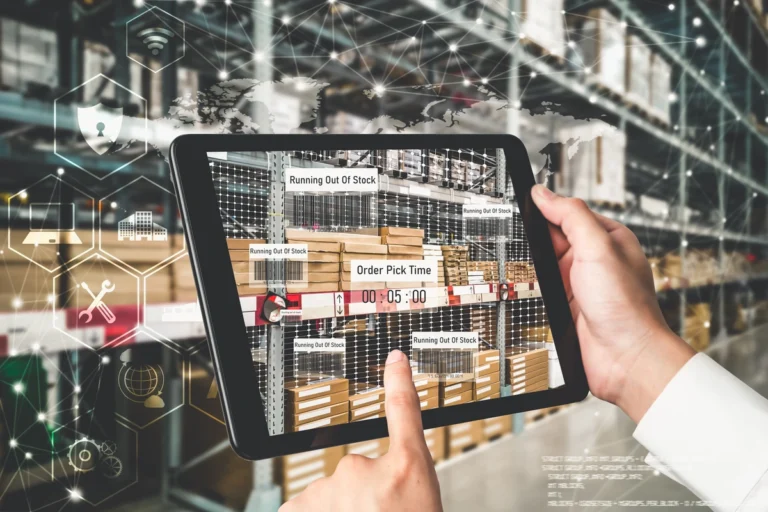
Supply chain management – what is it and why is it so important?
Supply chain management is a top-tier topic in every large manufacturing plant. In medium and large enterprises, the flow of materials, information, and resources determines on-time delivery, operational costs, and the ability to respond to market changes. The more complex the organization, the more important consistent supply-chain planning becomes, along with monitoring every stage and eliminating delays caused by unforeseen stoppages. That is why companies increasingly implement supply chain management systems and IT solutions that strengthen process transparency and support faster decision-making.
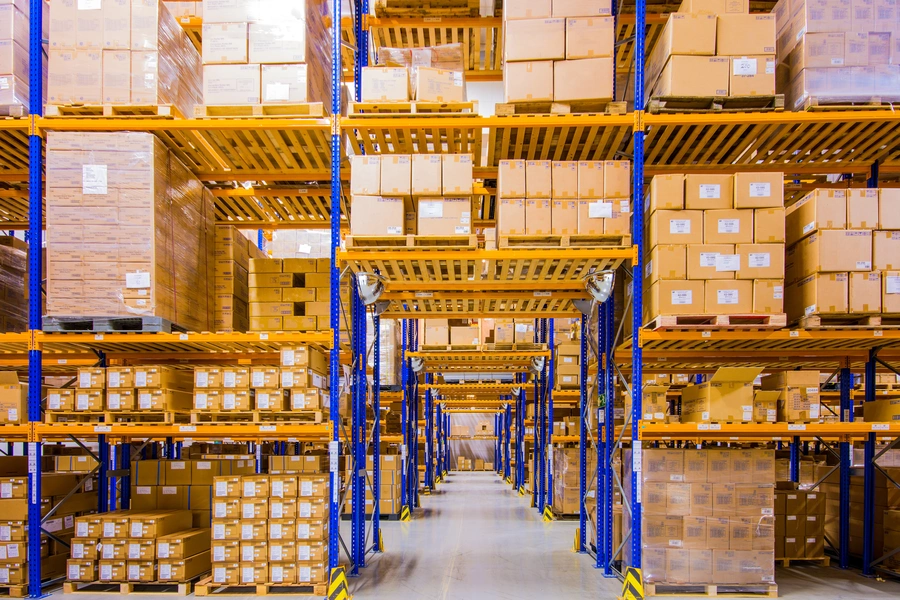
What is supply chain management?
Supply chain management is the coordination of all activities related to the flow of materials, products, information, and resources – from sourcing raw materials, through production, to delivering the final product to the customer. At the definition level, supply chain management concepts include planning, organizing, and optimizing processes so that the entire system operates cohesively, without unnecessary downtime and losses.
In the literature, the term supply chain management is often described as the practice of managing an integrated supply chain using processes, data, and technology that increase operational efficiency and shorten order fulfillment times.
5 key elements of the supply chain flows
Just as a chain in industrial machinery consists of multiple links, every supply chain is built from several repeating elements. Depending on the industry, they may differ, but the foundation stays the same.
1. Suppliers and raw material sourcing
Supply chain planning requires constant control of supplier quality and delivery timeliness. This is critical because disruptions often occur at this stage, and companies must maintain alternative sources of supply.
2. Warehousing and buffer zones
The warehouse acts as a stabilizer for the entire process. The buffer zone is especially important – a precisely defined area where materials or semi-finished goods for the next process phase are stored. It reduces the risk of production interruption if a delivery is delayed, while preventing excessive inventory buildup.
3. Production and process buffering
Managing production buffers remains an underrated area. Properly set buffers stabilize workflow, eliminate bottlenecks, and help predict potential stoppages before they appear in the real process.
4. Distribution and transport logistics
The finished product must reach the customer within a specific timeframe. This stage most quickly reveals problems occurring earlier in the supply chain.
5. Customer service and returns
Modern supply chain concepts also include after-sales service, returns, and complaint handling. This area affects customer experience and production planning.

The importance of flow and timeliness
None of the above supply chain links should be considered independently from the rest of the production process. Flow stability determines whether the production system operates smoothly. Every disruption – missing raw material, supplier delay, documentation error – causes financial losses. Based on industry publications and practical experience, a significant portion of production delays result from poor planning or lack of real-time access to material information.
This is why companies increasingly implement supply chain management systems that aggregate data from production, warehousing, transport, and ERP. Thanks to this, enterprises can:
• react faster to potential delays,
• maintain stable material flow,
• minimize production downtime,
• reduce costs caused by excessive inventory.
The role of technology in logistics management
Modern integrated supply chain management is based on data. Without data, effective production planning, inventory analysis, and risk prediction are nearly impossible. Technology provides companies not only with better control but, above all, with predictability.
Key areas where IT technologies are transforming the supply chain:
Monitoring and tracking resources
MES, WMS, and IoT systems enable monitoring the real movement of materials. Such transparency allows disruptions to be detected before they affect production.
Automation of warehousing and production
Automation reduces human error, speeds up material picking, and stabilizes production cycle times.
Integration of ERP, MES, and logistics systems
By combining all data into one supply chain management system, the enterprise sees the full process picture and can plan production based on actual – not assumed – information.
Predictive analytics
AI technologies are increasingly important, predicting material demand, seasonal fluctuations, and possible risks in supply processes.

Looking for savings in your manufacturing company?
Diagnose the problem with the Free 360 Workshop!
Benefits of a supply chain management system
Supply chain management is not an empty buzzword – it delivers real value for manufacturing companies. A better supply chain management system means:
• fewer stoppages and more stable production,
• better warehouse utilization,
• lower operational costs,
• higher delivery timeliness,
• greater process predictability,
• improved customer service quality,
• higher overall organizational efficiency.
With well-implemented supply chain management concepts, companies can respond more flexibly to disruptions and minimize the impact of market instability – especially visible in recent years.
Most common supply chain challenges
- Lack of consistent data between departments
When warehousing, production, and logistics operate in isolation, errors escalate across the process. - Supplier delays and lack of alternatives
Reliance on a single supplier increases risk for the entire company. - Downtime caused by insufficient buffering
A buffer zone mismatched to real demand leads either to excessive inventory or production stoppages. - Insufficient process automation
Manual reporting and hand-managed stock levels introduce delays. - Lack of risk-prediction tools
Companies that do not monitor real-time changes react only once the problem becomes visible on the shop floor.
Supply chain management is the foundation of stable production and competitive advantage. Companies that invest in data, automation, and intentional buffer zone design gain greater process control and resilience to market disruptions. Transparency of flows, rapid response, and integration of ERP, MES, EMS, and logistics systems ensure a smoother chain and on-time delivery for customers.
Industry continues to evolve. We’ve only just discussed Industry 4.0, and Industry 5.0 is already on the horizon. Manufacturing in the 21st century is defined by flexibility, predictability, and process cohesion. These factors determine how well an organization handles rising competitive pressure. A well-designed supply chain management system becomes not just an operational tool but a strategic advantage for the entire company.
Do you want to improve supply chain management in your company? Contact us.