



Record production automatically with explitia.Production
Automation of production recording – gain better control over production
Manual reporting, duplicate data entry, and disconnected records still slow down many production teams. When operators spend too much time filling in reports instead of focusing on the process, and managers rely on incomplete information, production becomes harder to control.
explitia.Production helps you fix that.
It is a data management solution built for you, if you want more reliable production data, less manual reporting, and a clearer view of what is happening on the shop floor. It supports automation of production recording, brings key process information into one system, and helps you stay closer to order progress, process performance, and day-to-day execution.

Bring more order to production recording in your plant!
See how explitia.Production helps you automate production data capture, reduce manual reporting, and gain better control over order execution. Contact us and find out how it can work in your plant.
What you gain with explitia.Production – automation of production recording?
The first thing you would notice is more order in your data and more visibility across production. Instead of scattered notes, manual reports, and limited insight into the current state of production, you will have one place to collect, review, and analyze manufacturing data.
In daily operations, it can translate to:
 Less manual production reporting
 Less re-entering the same data into multiple files and systems
 More confidence in data accuracy
 Easier access to real production data
 Faster identification of bottlenecks
 Better production planning
 More control over production orders
 Stronger support for business and investment decisions based on actual data
 The option to use the module as a standalone tool or as part of the wider explitia Production Portal ecosystem
explitia.Production does more than store information. It helps you organize the way production data is recorded and gives you a clearer picture of what is happening across your operation.

explitia.Production explained
explitia.Production is designed for manufacturing environments where you need to collect, organize, and present data tied to production execution.
It does not focus only on full unit-level identification the way classic traceability systems often do. Its role is broader. It helps you organize production flow, quantities, orders, process parameters, and the operational data that supports execution on the floor.
It carries the most significance when your facility does not run in a model where every single item can be clearly marked and tracked. That is often the case in continuous, bulk, or batch-based production.
In these conditions, the bigger need is a reliable way of recording production data, building process history, and connecting production more closely with orders, reporting, and other parts of plant operations. Here, explitia.Production fits best.
Automation of production recording for real production environments
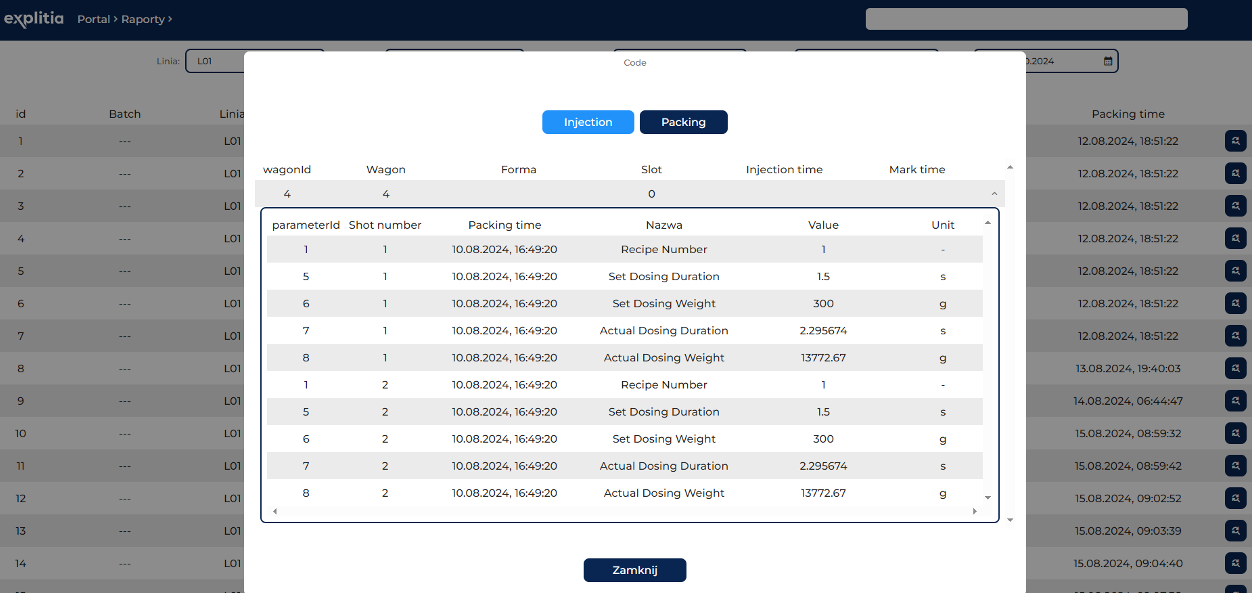
You can reduce the burden of manual reporting. The system collects the most important process data and presents it in a clear format. Your operators do not need to fill out as many reports by hand, and your team no longer has to keep copying the same information across different tools. That saves time and cuts down on avoidable errors.
All information is stored historically, so you can review KPIs, compare results, and find the points where the process starts to slow down. That makes production planning easier and gives you better support for operational decisions.
The value goes beyond reporting. Your production data becomes more useful for production control, planning, and management.
What data explitia.Production can cover?
The system supports both automatic collection of data from machines and systems, and manual entry where the process calls for it. That gives you the flexibility to reflect how your plant actually works.
With explitia.Production, you can register:
 Data related to order execution
Production order number
Operator ID
Station ID
Operation number
Process parameters
Process sequence
Product components
Tools used in production
Production counters
operation completion status, such as OK or NOK
Reason for NOK
Production data and production time, including process start and end dates
Quantity of material produced
Information about product types and production status at specific stages
Data related to order execution
Production order number
Operator ID
Station ID
Operation number
Process parameters
Process sequence
Product components
Tools used in production
Production counters
operation completion status, such as OK or NOK
Reason for NOK
Production data and production time, including process start and end dates
Quantity of material produced
Information about product types and production status at specific stages
Because of this, automation of production recording becomes more than a simple form or event log. It works as a data management solution that organizes data, context, and the relationships between stages of the process.
When explitia.Production is a good fit
This system is a strong fit when you want to:
| Organize production data |
| Improve visibility across the production process |
| Connect production more closely with orders and reporting |
| Track quantities and execution parameters |
| Gain more control over process flow |
| Reduce manual reporting |
| Build a solid base for further digital development in production |
It is especially useful where production runs in a continuous, bulk, or batch-based model, and where identifying every individual item is either impossible or unnecessary from an operational point of view.
Main functions of explitia.Production
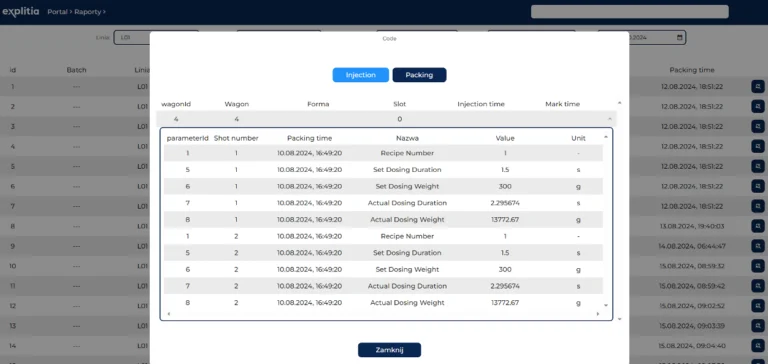
Automatic production reporting
It is one of the main reasons to choose the system. It collects production data from the process and presents it in clear summaries. You get quicker insight into production progress and a better view of whether orders are moving according to plan.

Recording production data in one system
Instead of spreading information across operators, spreadsheets, and separate tools, you have a consistent environment for working with production data. That makes daily work easier and reduces the risk of inconsistent records.

Managing orders, stages, and process parameters
explitia.Production works well in environments where it is important to track quantities, order progress, execution parameters, and the links between stages. It helps you organize process logic and improve operational visibility without requiring full tracking of every individual unit.

Process history and stage relationships
A lack of full traceability does not have to mean a lack of production history. The system can reflect production flow and the links between stages at a broader level, including batch-based or stage-based views. It is important when you want better process control and reporting, but do not operate in a model of full item-level traceability.
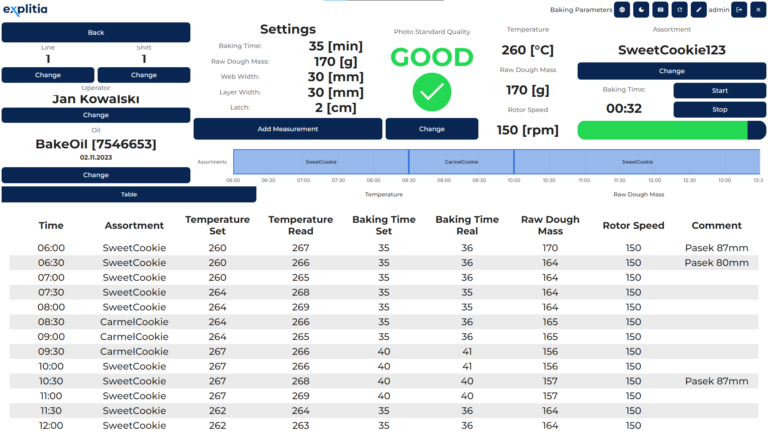
Data for analysis and comparison
Historical records allow you to review KPIs, compare results, and understand the causes behind production issues. It becomes easier to identify the points that limit flow and prepare future planning decisions using real data.
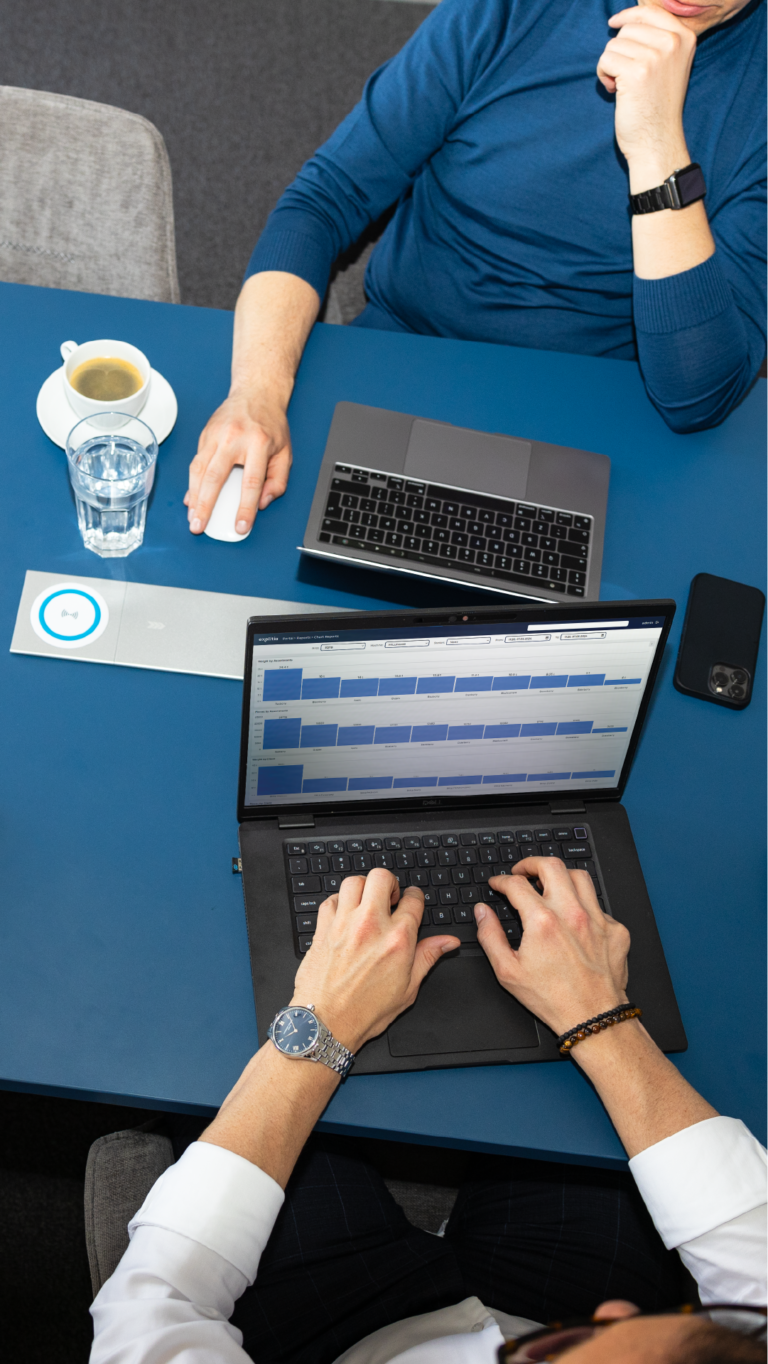
A flexible fit for your plant
explitia.Production supports more than one production scenario. It can grow with facilities that need better production data and process monitoring, but do not yet need, or cannot realistically apply, full traceability.
How explitia.Production supports further digital growth in production?
A system built for automation of production recording can be beneficial for your production when:
- manual reporting takes too much time,
- production data is scattered,
- you want more control over order execution,
- you need a clearer view of the production process,
- you want to know where delays begin,
- you need better data for planning and decisions.
It also gives you a strong starting point for further digital development across production and for connecting with other dedicated tools or ready-made products within the explitia Production Portal.

Replace manual reporting with an organized data process!
explitia.Production does more than collect data. It helps organize production logic, plan orders more effectively, and identify process issues faster. Write to us and see how much it can bring to your plant.
Business benefits of automation of production recording
| Less manual work | The system reduces the need for handwritten or manually entered production reports and limits repeated data entry across multiple files and systems |
| More confidence in data accuracy | Automatic production reporting gives you more confidence that the data is correct. It improves documentation quality and reduces the risk of mistakes |
| Access to real production data | Reliable access to current process information supports business and investment decisions. Your team works with actual production data instead of assumptions or incomplete records |
| Better production planning | Access to production data and performance indicators allows you to plan more effectively and respond faster when execution starts moving away from the plan |
| Faster identification of bottlenecks | The system helps you find the points that reduce process efficiency, so you can improve flow and make better use of available resources |
| Better control over order execution | explitia.Production gives you a clearer view of production order status in the context of the production plan and helps you spot machine-level delays sooner |
| Better use of employee time | Automatic reporting reduces repetitive administrative work and gives your people more time to focus on tasks that support production |
| Scalable implementation | The module can work on its own or as part of the wider Production Portal environment. It gives you flexibility when planning the next stage of implementation |
How does the module connect with other technologies and digital systems?
How explitia.Production connects with other systems?
explitia.Production does not work in isolation. It can connect with ERP, warehouse systems, production orders, manual data entry forms, and other tools that support production management. It means your production data is not locked inside a single application. It can support wider decision-making and a better-connected production environment.
ERP system
explitia.Production synchronizes production data with the ERP system, making it easier to connect production execution with planning, settlement, and information flow across the company.
More

Warehouse
The module can exchange data with the warehouse area, making it easier to control the flow of materials, semi-finished goods, and finished products.
More

Orders
The system links production flow data with specific orders, giving you better visibility of their execution at individual stages.
More
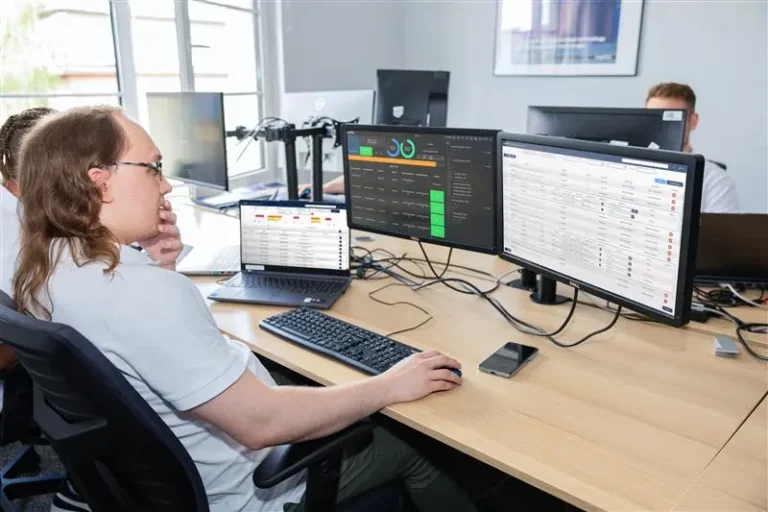
Manual data entry forms
Where the process requires additional information from the operator, explitia.Production enables convenient data entry without splitting it across separate tools.
More

In addition to the above, it also works very well with other mechanisms that support production management. This means process data is not locked inside one tool, but can support broader production management.
Why start with explitia.Production?
You do not always need the most advanced production tracking model from the start. In many cases, the natural first step is getting control over production data, order flow, process parameters, and reporting logic.
explitia.Production is built for that stage. It helps you solve daily reporting and visibility issues while giving you a strong base for future development.
Want to see how automation of production recording can work in your plant?
We will show you how to improve recording production data, reduce manual reporting, and build an environment that gives you better control over production.